
The largest county in the UK likes its homes cooler
 People living in Yorkshire are more likely to have their thermostats turned down lower than anyone else in the UK. People living in London, on the other hand, are more likely to have their heating cranked up to maximum. That’s the findings of a national heating services company. The survey finds that residents of the White Rose County not only keep their heating down at the lowest settings in England, but are most likely to turn it off when they leave the house.
Warm.co.uk says this is probably because of a common sense of urgency to save money. “If there are two things Yorkshire people are known for across Britain, it’s their common sense and also their no-nonsense ability to put up with tougher times,” says Warm.co.uk spokesperson Johnathan Ratcliffe.
“It’s no wonder then that we turn our boilers down low. It is probably because we’re used to it!” he says.
What temperature is your thermostat at?
Warm.co.uk asked people all over the country what temperature they set their thermostat. They found that while the average answer was 20 degrees Celsius (that’s 68 degrees in the old money), there were significant differences from county to county.
Counties with the coldest average thermostat settings:
- Yorkshire – 18.8
- Lancashire – 19.0
- Lincolnshire – 19.0
- Shropshire – 19.1
- Cornwall – 19.2
Counties with the highest average thermostat settings
- London – 22.3
- Sussex – 22.0
- Devon – 21.9
- Hampshire – 21.8
- Surrey – 21.7
“What we’re seeing here is quite extraordinary,” says Ratcliffe. “Except Cornwall, people who live with lower temperatures are also quite happy to keep their homes cooler. “Whether it’s to save money, or they’re just used to it is a difficult question to unravel, but we’re pretty sure it’s a bit of both.” Warm.co.uk also asked people if they switched off their heating at the controls when they went out for the day. The results also showed a clear north-south divide:
- Yorkshire – 67%
- Cumbria – 64%
- Norfolk – 62%
- Lancashire – 59%
- Derbyshire – 59%
- Berkshire – 21%
- Surrey – 21%
- London – 16%
“We’re convinced this illustrates the traditional north-south divide in a whole new way,” says Ratcliffe. “There’s a common-sense attitude among Yorkshire folk about not wasting money on things that aren’t needed. Consequently, that’s why the boiler goes off the moment the house is empty. “On the other hand, Londoners love their convenience, and that means warmer homes as well as a hands-free attitude to their heating bills. So each to their own”
Are You Ready To Get Up To 3 Quotes To See How Much Money You Could Save?
 It’s because of these almost universal parental observations that schools need to spend time teaching children about saving energy and domestic heating as part of their curriculum.
 According to Warm.co.uk, who surveyed 2,733 customers, cyclists have the highest tolerance to low temperatures in their homes.
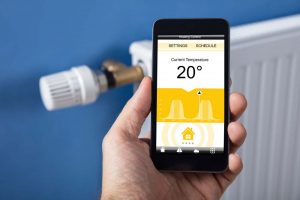 Men are more likely to turn the heating off, whether with heating apps or the thermostat, when they leave the house – even when there are other family members still inside.
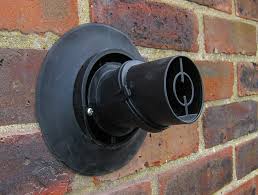 A disagreement between the two neighbours led to Daniel Burgess, aged 38, placing a potato in Michael Horner’s boiler flue. This led to the unfortunate death of Mr Horner.
 blocked the exhaust fumes from escaping as they normally would.
 The independent energy regulator for the UK,
 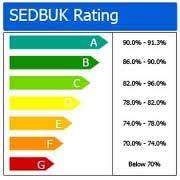 Official figures suggest that up to 70% of all heat demand in the UK is for gas. In its 2013 Heating Strategy, the Government said it expected the demand for gas to continue into and beyond 2030. Therefore, it would remain the leading fuel source for heating and hot water.
 Due to these more recent advancements in boiler and heating technology, it is now the right time for the Government to push domestic heating efficiency using new Building Regulations policy.
 Councillors for the Yorkshire town of